
Jeffrey Wolf
Over the course of more than 3 days, the VERITRACE team gathered together with a group of distinguished guests, in the hills outside Stavelot, Belgium at the Chateau Borzeux. The idea was to create a truly valuable intellectual experience for all involved, away from the anonymity of a large, international conference, so that more intensive discussions could take place in a relaxed, personal atmosphere.
The team arrived on Monday, 04 March, to get settled in and prepare for the workshop, which began in earnest on Tuesday, 05 March.
“I love it when a plan comes together! Also sprach Colonel John “Hannibal” Smith, usually whilst lighting a cigar. Six internationally renowned experts, two hours each, one simple brief: speak to our project. And boy, did they deliver. Every session was a joyful learning experience and exchange of ideas, no holds barred, free and open. There was no guarantee any of this would work, but it did. In the convivial atmosphere of Chateau Borzeux, which we had all to ourselves, where chefs Anca and Anneke prepared for us the most delicious meals, perfectly matched by the wonderful surroundings.”
-Prof. Cornelis J. Schilt
The general pattern of activity was as follows: a hearty breakfast, followed by the first workshop session at 9.30 (each session lasted two hours). Lunch and a brief break followed. Two additional sessions were scheduled in the afternoons (13:30-15:30 and 16:00-18:00), followed by a well-earned dinner. Post-dinner, participants generally convened together for more informal ‘fireside conversations’, until the evenings came to a close.
One of the highlights of the workshop was the wonderfully prepared food, all participants agreed. A great many thanks to Ms Anneke van der Veen and Anca for doing such a great job feeding all the hungry participants.
The VERITRACE team would also like to thank Prof. Steven Matthews (University of Minnesota-Duluth) who led an informal seminar, the first morning of the conference, on the continuing importance of the Church Fathers to understanding the intellectual context in the early modern period, especially for the notion of ancient wisdom.
“The workshop addressed among other questions that of the canonical narratives of early modern natural philosophy. New narratives in the history of philosophy are needed not only to integrate formerly overlooked figures in the canon but also to examine formerly overlooked movements or trends. In this respect, we cannot back up the idea that solely rationalism and empiricism account for the birth of modern science. “Idols of modernity” may obscure our knowledge on real sources or the diversity of sources. Such twisted points of the narrative are the idea of a pagan Renaissance or that of relegating the Church Fathers to historical times having no link to modernity, pointed out S. Matthews. The survival of some fascination for ancient wisdom in late Enlightenment and free-masonic circles contradicts the narrative of a sudden disappearance of prisca sapientia, as remarked V. Hladky in the discussion following his talk on Gemistos Plethon. We also learnt that Newton was willing to regard physical laws not as new discoveries but as truths known already in ancient times. The meticulous philological inquiry into Newton’s references to the Sibylline Oracles, carried out by S. Snobelen, confirms this point. Ancient wisdom was not a historical “curiosity” but a continuum of knowledge for Campanella, pointed out J.P. De Lucca. Reintroducing astrologers in wisdom narratives can considerably widen our image of the history of knowledge, as we could see from the talk of S. Vanden Broecke. This was food for thought and a real inspiration to believe in new paths.”
-Eszter Kovács
From my own perspective, I’d like to emphasise some of the wonderful by-products of the chosen format for the workshop. First, because we were all sharing the same roof and the meals were communal, this meant there was time and opportunity to get to know each of the workshop participants on a deeper level. This is simply not possible at a normal academic conference, no matter how small. Second, the intensity of the sessions and the overlapping themes meant that we could pick up threads from an earlier session and build off of them in a later session. What we learned about Plethon and Campanella, and their interest in prisca sapienta, gave us a better understanding, for example, of Jean-Baptiste Morin’s astrological pursuits in the 17th-century, or Newton’s interest in the Sibylline Oracles in the early 18th-century. Everything fed into everything else. Again, this kind of in-depth focus on a specific theme over numerous days is generally not possible at academic events, so we felt very fortunate with the workshop format.
“As I write these words, it’s now been a month since our workshop in Stavelot. The first feeling that comes to mind is gratitude for such a memorable week, deeply rewarding on both a personal and intellectual level. Immersed in the reflective quietness of the Ardennes, we had the pleasure of engaging with a group of top-notch scholars and, more importantly, delightful people who were happy to generously share their time and knowledge with us. When will we ever get to spend entire days fruitfully discussing prisca sapientia, Orthodox Christianity, magic, astrology, utopias and the likes of Isaac Newton, Comenius, Francis Bacon, and Tommaso Campanella, in such a stimulating and convivial atmosphere? Everyone agreed that an event like this was a rare occurrence to be treasured. I returned home energized by the variety of stimuli and unexpected questions that arose during these days, which will no doubt propel me toward new avenues of research. I couldn’t have hoped for more.”
-Nicolò Cantoni
A mere list of the talks given does not do justice to the richness of the discussions, but it does provide an overview of the primary themes. In each case, the speaker was able to connect their own work to the VERITRACE project, which was stimulating and helpful for the project itself.
“Reflecting on the Stavelot Workshop, it’s fascinating to consider how much can unfold spontaneously when top scholars are brought together, with ample time to lead discussions and present lectures. The workshop proved to be an extraordinary experience, primarily due to this open and flexible format. Each esteemed participant was allotted two hours to utilise as they saw fit, fostering a unique environment for intellectual exchange. Set within the picturesque confines of a beautiful chateau in the Ardennes, the event echoed the academic spirit of the Renaissance, a time when patrons used to gather scholars from around Europe to support the flowering of arts and sciences. In a similar vein, the ERC served as a modern patron at the Stavelot Workshop, sponsoring a gathering of academics from around the globe. We lived and worked together among these scholars, aiming to generate meaningful outcomes. This unique assembly not only facilitated an exchange of expertise but also reinforced the importance of collaborative academic environments.”
-Demetrios Paraschos
Here is a list of the speakers and talks given:
- How It All Began: Gemistos Plethon and Ancient Wisdom, Vojtěch Hladky (Charles University, Prague)
- The Wisdom of the Ancients in Campanella’s Natural Philosophy, Jean-Paul De Lucca (University of Malta)
- From Novel Metaphors to Neologisms of Sense: Reconstructing the Lexical Origin of Modern Science, Petr Pavlas (Institute of Philosophy, Czech Academy of Sciences)
- The Pursuit of Prisca Astrologia in the 17th century: Jean-Baptiste Morin, Steven Vanden Broecke (Ghent University)
- Isaac Newton and the Sibylline Oracles, Stephen D. Snobelen (King’s College, Halifax)
- Idols of Modernity, Steve Matthews (University of Minnesota-Duluth)

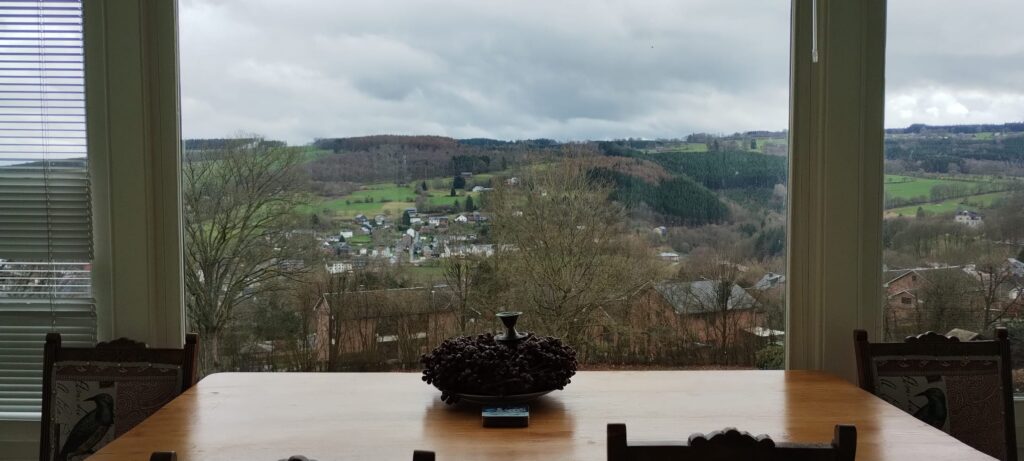
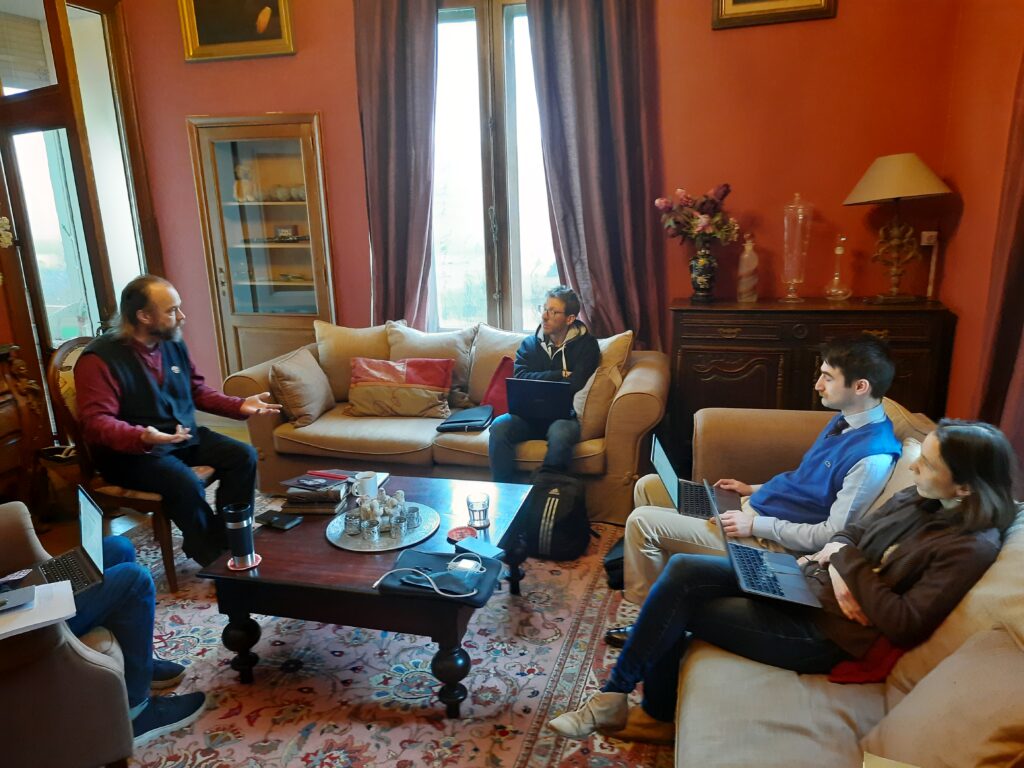
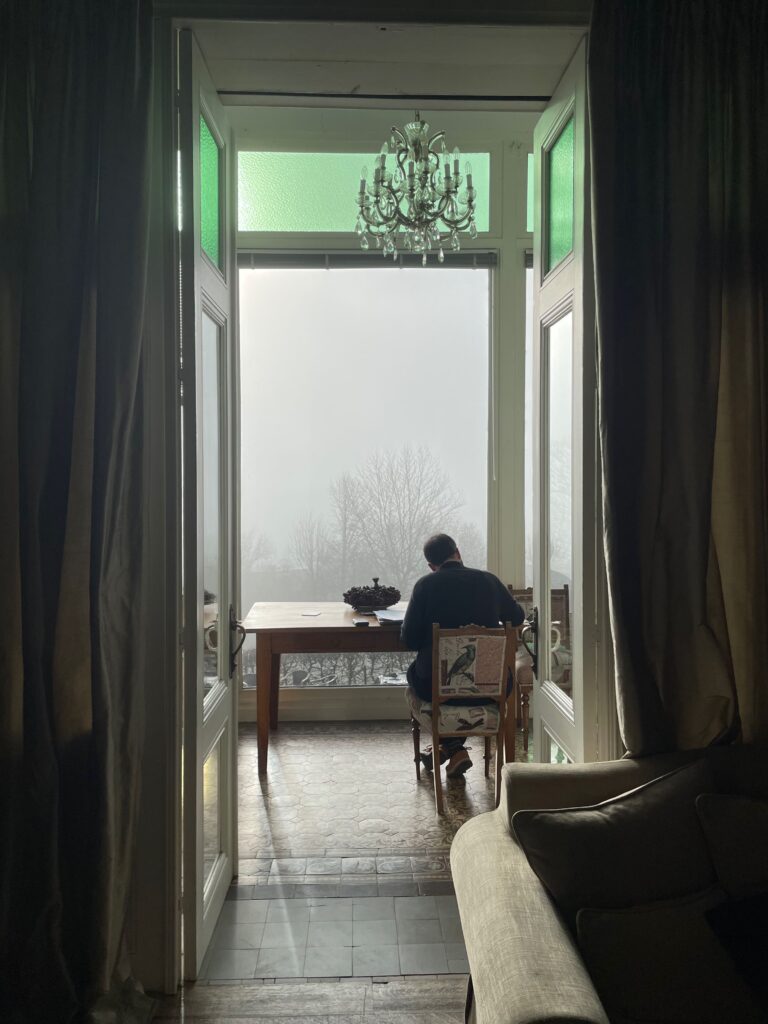
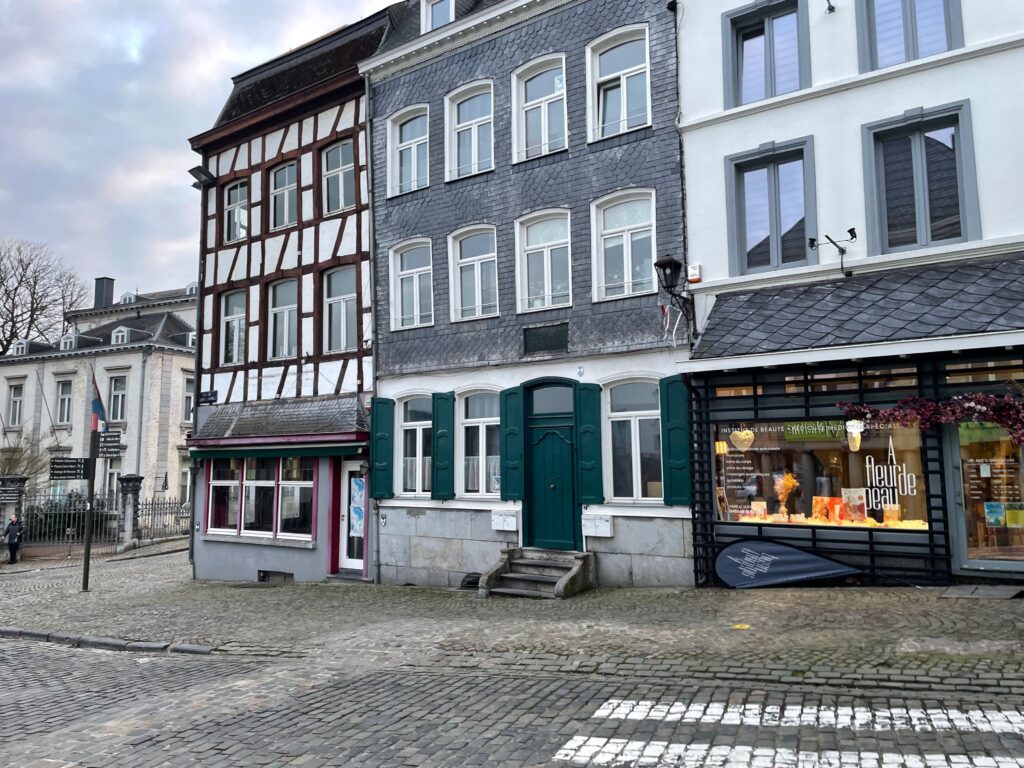
Finally, the setting for the workshop was stunning as well. Here we end with some visual impressions:








Text